Microsoft quietly stops recommending 32GB of RAM, as even Apple reportedly struggles to secure memory for iPhones and MacBooks
- Microsoft is eating humble pie over its unrealistic RAM recommendations
- It has deleted articles that pushed 32GB as an ideal or 'no-worries' loadout
- Apple is also feeling the heat in the RAM crisis, with rumors that it's struggling to secure an alternative source of memory supply from China
There are some fresh twists with the RAM crisis hitting some big tech companies, as Microsoft has backtracked on its previous memory recommendations, and even Apple is apparently finding it difficult to cope with the scarcity of memory.
Let's discuss Microsoft first, and as Windows Latest pointed out, the company has been busy backpedalling on previous memory recommendations now that the RAM crisis – which just keeps getting worse – has made those suggestions look foolish.
Microsoft previously had support documents in its Windows Learning Center which have now been removed, and Windows Latest highlights two of them. One was about optimizing your gaming PC, and it advised that "32GB is ideal for serious players who run the most demanding titles" (albeit the article also said 16GB was "plenty" for most games).
Another piece said that 32GB of RAM was the "no-worries zone", and that article was also quietly deleted as there was some backlash against this, given that it was published when the price of system memory had become ridiculous. (And buying a 32GB kit was very much a worry for your wallet).
The links to those articles now redirect to the home page of the Learning Center, and Microsoft is evidently trying to forget about pushing 32GB of RAM as an 'ideal' or 'worry-free' target for memory on your PC.
More broadly, since Copilot+ PCs were launched and the AI features for these devices made them require 16GB, Microsoft has obviously been keen to have that as a baseline memory configuration. Except now, a change of stance is necessary, as with the RAM crisis reaching alarming new heights, Microsoft has been forced to enact huge price hikes with its Surface devices.
And of course, the latest twist with that Surface hardware is that Microsoft has brought back 8GB models with last year's Surface Pro and Surface Laptop. Which makes it kind of difficult to push 16GB as a minimum, let alone make suggestions that 32GB is where it's really at for properly smooth performance.
The abandonment of these Learning Center articles is hardly surprising, then, and Microsoft is also addressing how speedily Windows 11 runs with 8GB of memory (not quickly enough currently). One of its promises with fixing the OS was better performance with a leaner RAM loadout, and Microsoft just made it clear that the company is now actively working to make Windows 11 run better with 8GB before the end of the year.
This has become a vital goal, really, when you consider that Apple has pulled off a commendable showing of performance with its MacBook Neo that packs 8GB of RAM. That was effectively a gauntlet thrown down for Microsoft – something of a declaration that macOS is coming to try to take Windows 11's market share – and one that the Windows maker had to respond to (which became clear enough when Microsoft went on the attack against the Neo).
Apple turnover: China play rumored to end in a fumble
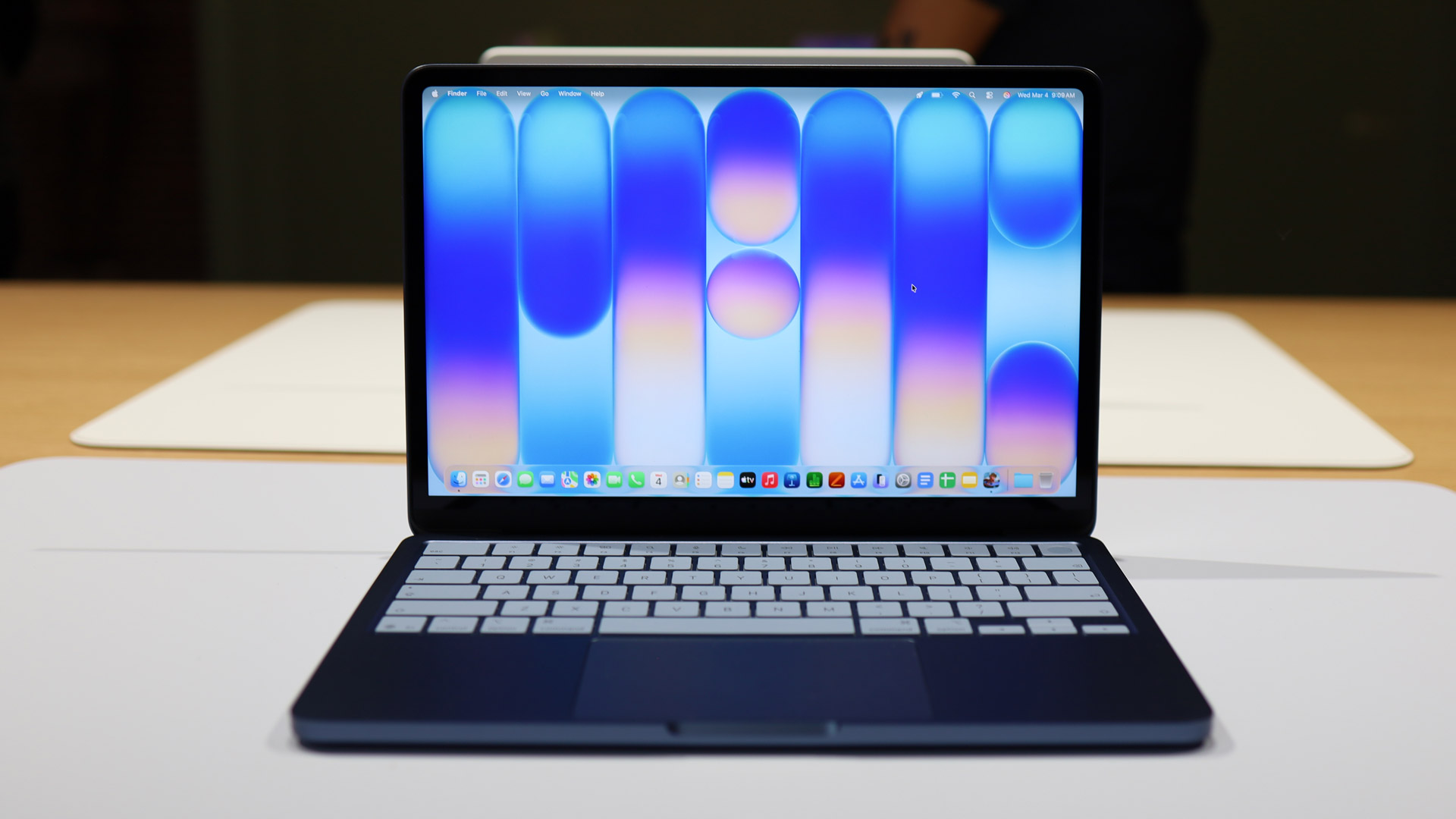
Speaking of Apple, Microsoft isn't the only tech giant being buffeted by the rising costs caused by the RAM storm. While it has had a big success with the Neo, the challenge for Tim Cook's firm – soon to be John Ternus's, of course – is to maintain that momentum, and by all accounts, that's proving a tricky task.
Recent Mac price hikes have caused a good deal of pain – taking some of the wind out of the good ship Neo's sails – and Apple is trying to secure its RAM supply lines for the future, with rumors abounding that it's turning to Chinese chip makers to find extra production capacity.
The latest speculation, however, is that according to a report from Digital Daily (a Korean tech site, via Wccftech), Apple has floundered in negotiations with Chinese memory giant CXMT.
Apparently CXMT has strong enough domestic demand that it doesn't have to offer more attractive pricing to Apple. Essentially, CXMT is holding the line and has "insisted on prices that were higher or similar to those offered by Samsung or SK Hynix" (bear in mind there may be nuances lost with the translation of the article).
You get the message, though: Apple is failing to obtain better deals on mobile DRAM, which includes LPDDR5X, for its iPhones (and that RAM is also used in its MacBooks, of course). And CXMT was supposed to be an escape route from the difficulties of getting enough RAM inventory from Samsung and SK Hynix (and also Micron, a key supplier for Apple), but it seems like a dead-end for now.
At least if this report is correct, but analyst Tim Culpan has also written a short post which backs up the notion that Apple is in trouble here. Culpan writes: "Apple and its suppliers are scrambling to get enough memory chips for its upcoming release of new iPhone models."
'Scrambling' is a word that evokes quite a sense of panic, and indeed with the iPhone 18 models – and the foldable offering – not much more than a month away from launch now (in theory), I'd bet there are some heated words flying here and there. Culpan notes: "Assemblers are working with Apple to rush shipments of DRAM used in mobile devices."
That report is specifically about smartphones, mind, but this same situation applies to mobile RAM that's also used in MacBooks.
The overall theme is more RAM misery all round, which is hardly a surprise given all the negative news we've been hearing on the grapevine of late. GPU pricing has been the latest round of doom and gloom over the past week or two, and I don't think the pessimistic news is going to stop flowing for the foreseeable.
It's not bad news for everyone, though. A source in the semiconductor industry told Digital Daily that: "With the general-purpose DRAM floor remaining unbroken and Samsung and SK Hynix monopolizing the lead in high-value AI memory such as HBM4, the operating profit margins and global market control of the domestic semiconductor sector are expected to rise even more steeply in the second half of the year."
So, it's a familiar story: profits will be on the up and up for memory makers, while consumers will be suffering the pain of the hikes. Apple's purported rush for RAM supplies as the clock runs down on the iPhone launch window is a particularly worrying sounding story, one that doesn't bode well in terms of avoiding more Mac (and iPhone) price rises in the future. Neither can we rule out more Surface price rises, or other laptops for that matter.
from Latest from TechRadar US in Software News https://ift.tt/5JtWBko
via IFTTT
Comments
Post a Comment